
Oak Woodland Restoration and Career Pathways Project
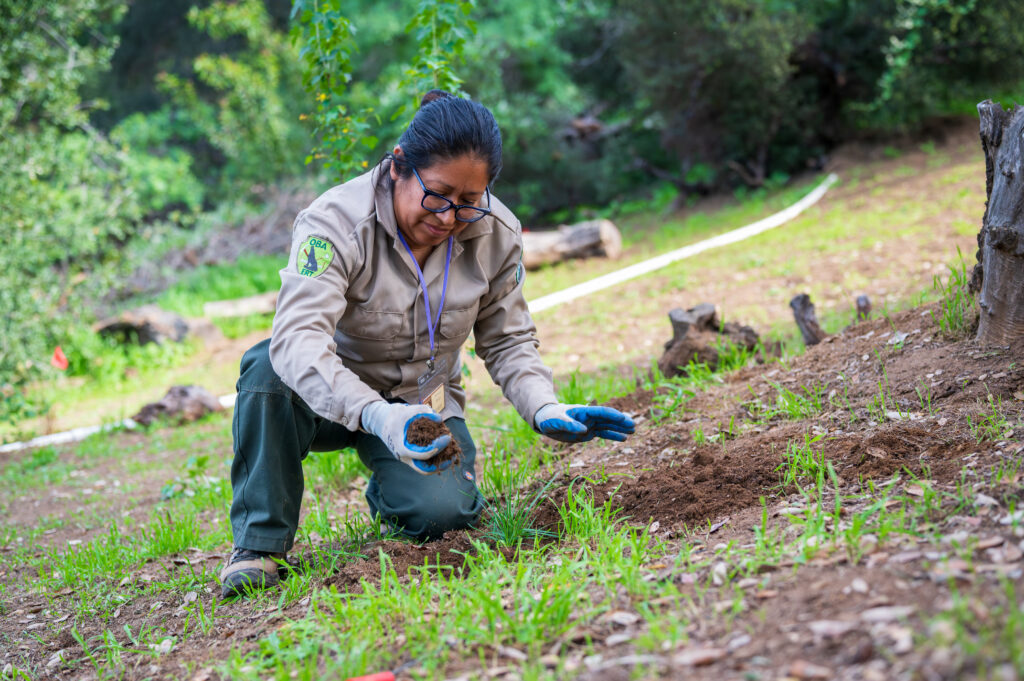
The Los Angeles Zoo and Outward Bound Adventures (OBA) have joined forces to restore six acres of degraded oak woodland on Zoo property while creating hands-on conservation career pathways for community members. OBA, the nation’s oldest nonprofit dedicated to outdoor education for underrepresented communities, brings its Environmental Restoration Team (ERT) to the project as its dedicated workforce, providing participants with paid, real-world experience in habitat restoration and conservation.
The project is made possible through a grant awarded by the California Wildlife Conservation Board, an independent board within the California Department of Fish and Wildlife that funds wildlife conservation and habitat protection across California. In addition to habitat restoration and career pathways, the project supports California’s 30×30 initiative, which aims to conserve at least 30 percent of the state’s lands and waters by 2030. Together, the Zoo and OBA are restoring native habitat while investing in the people and skills needed to protect California’s natural landscapes for generations to come.
The six-acre restoration site sits along the western edge of the Zoo and contains mature coast live oaks and other native species, including California black walnut, toyon, and elderberry. The site has long been dominated by invasive plants, displacing native plant species that support native wildlife. However, this degradation also creates an opportunity to restore an important piece of Los Angeles and strengthen our urban ecosystem.
Restoration is now taking root!
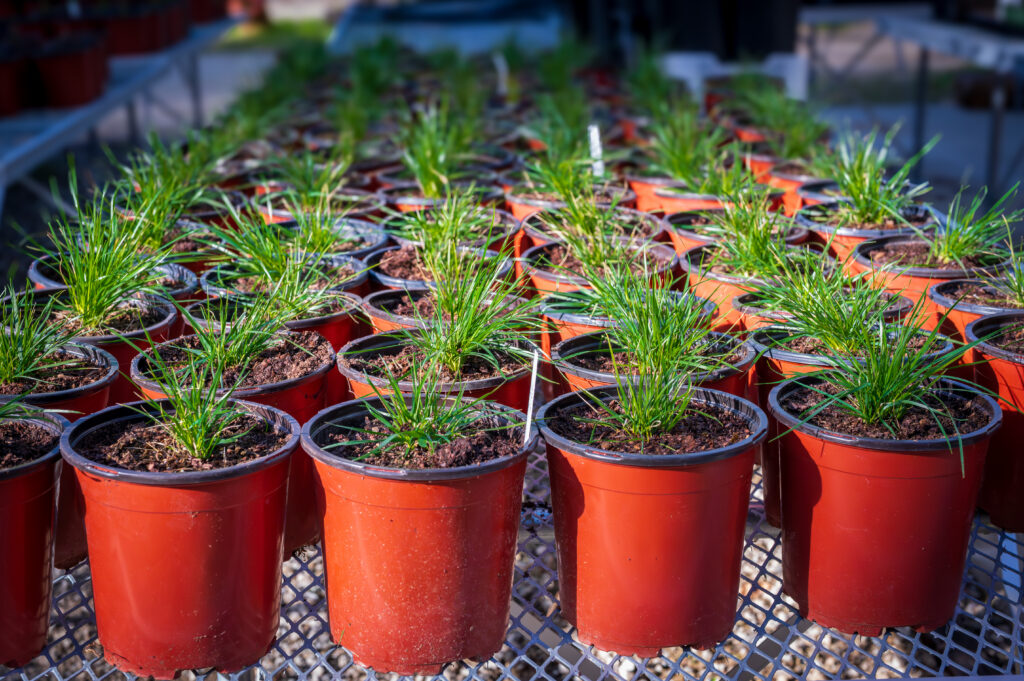
Since work began in April 2025, the team has installed more than 550 native plants and 30 pounds of native seed, with ongoing care and monitoring to support their establishment. A native plant nursery has also been established on Zoo grounds, providing additional space to grow plants for the project. On any given day, hundreds of native plants from a diversity of species, including milkweeds, sages, oak trees, and many more, can be seen growing and strengthening as they get ready for planting.
As part of this restoration effort, the Zoo has also initiated a species recovery project to develop a strong population of Nevin’s barberry (Mahonia nevinii), a state and federally endangered plant, within the restoration site as part of a broader recovery effort for the species.
An important component of this project is to use the site as a living laboratory to conduct research that will inform future restoration efforts in the region. Ongoing scientific studies are helping us learn how restoration efforts influence bat and bird diversity, occupancy, and habitat use, and how different restoration methodologies compare in terms of outcomes and costs.
The project is building conservation skills that extend far beyond the restoration site. ERT participants have received training in native plant identification, seed collection, irrigation, nesting bird surveys, ecological monitoring, and other field techniques. These experiences provide practical skills and exposure to career opportunities in habitat restoration, horticulture, and environmental stewardship.
Through 2028, the Zoo and OBA will continue restoring the woodland, monitoring its progress, caring for native plants, and expanding hands-on career pathways. The Los Angeles Zoo is proud to be part of this transformative initiative that will restore native habitat while engaging and preparing the next generation of conservation leaders.