
The Harrowing Journey of a California Condor and the Veterinary Team Who Helped Save Her Life
By Carl Myers
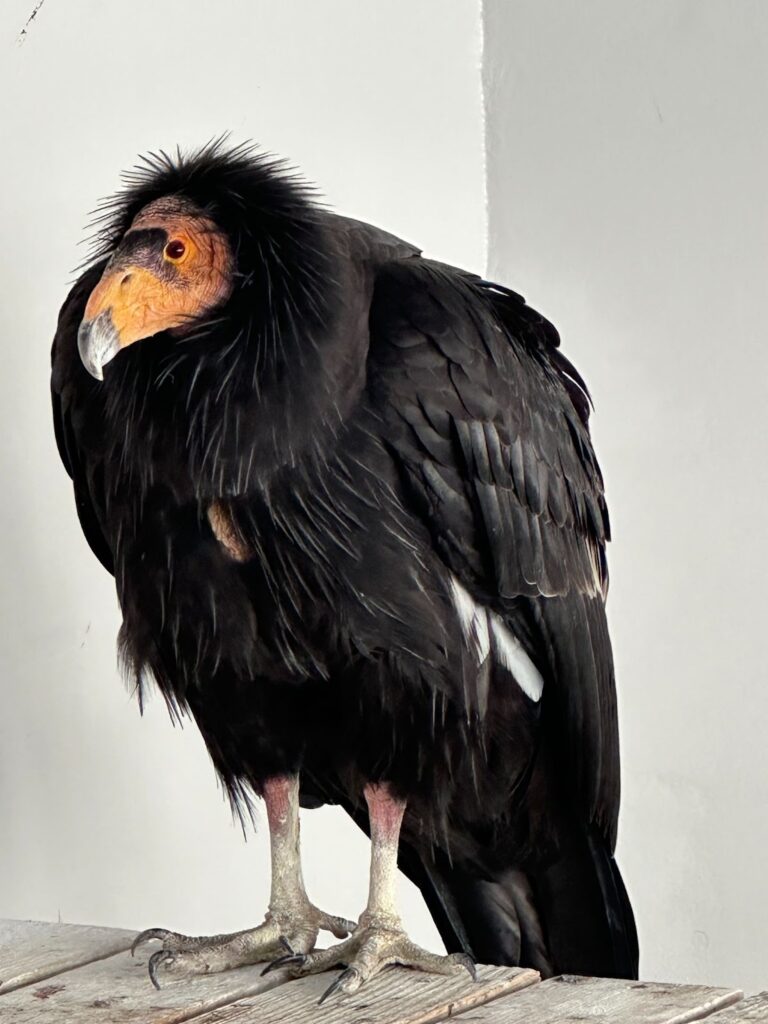
Female California condor #939 was hatched at the Los Angeles Zoo in 2018 at the California Condor Recovery Facility. To prepare this chick for release into the wild, the L.A. Zoo’s California condor care team closely monitored her as she was reared, first by her parents, then at eight months old when she was placed with a larger cohort of condors that included both juvenile and adult mentor condors. The U.S. Fish & Wildlife Service (USFWS) released condor #939 and her cohort into the wilds of Bitter Creek National Wildlife Refuge in 2019. The Zoo’s condor team and USFWS experts were excited and optimistic about these fledglings and their contribution to the wild population of California condors. In January 2025, just over five years after condor #939’s release to the wild, tragedy struck.
Condor #939’s GPS transmitter had not moved from its location for several days. This prompted USFWS biologists to go to the condor’s location and check on her. When they caught up to her they found that she was very ill and showing symptoms consistent with lead poisoning. This is presumably due to the consumption of carrion that had been shot with lead ammunition – an unfortunate common occurrence that is the largest threat to the California condor population. USFWS transported condor #939 back to the L.A. Zoo, where she could receive chelation therapy and treatment from the veterinary team at the Zoo’s Gottlieb Animal Health & Conservation Center.
“Condor #939 came to us with one of the highest amounts of lead levels I’ve seen in a condor,” said Dr. Dominique Keller, Chief Veterinarian & Director of Animal Health and Wellness at the L.A. Zoo. “Chelation therapy is successful in removing lead in the blood and what is bound to tissues like bone, but when there are fragments of metal still present in the body, then chelation alone is not sufficient. Condor #939 had a couple of small fragments (less than a pin head in size) in her ventriculus, or stomach. In condor #939’s case, attempts to get the bird to regurgitate the fragments were unsuccessful because the bird was too ill to be eating normally. We then knew we would have to take more aggressive measures in this case.”
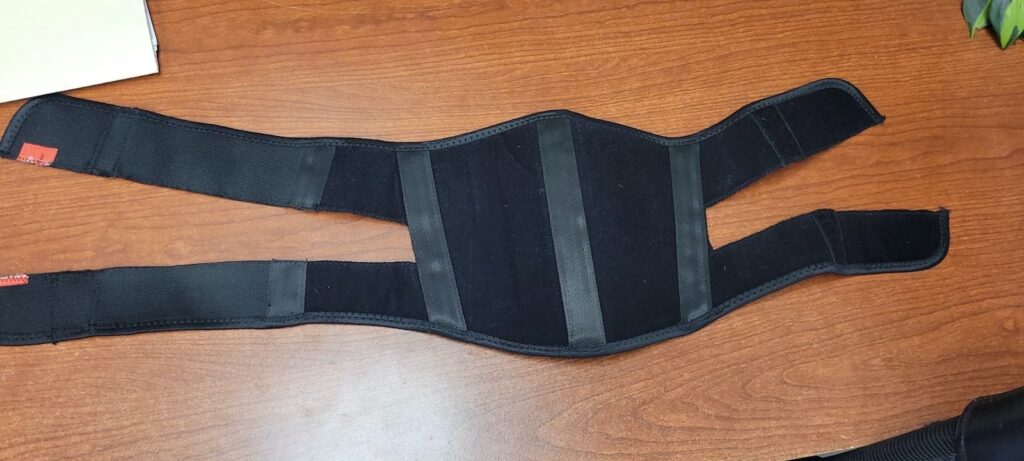
The Zoo’s animal health team consulted with Dr. Stephanie Lamb from Liberty Wildlife in Arizona to assist with this case. Following surgery to remove the lead fragments from the condor’s ventriculus, a surgery that the L.A. Zoo’s vet team has performed in condors on numerous occasions, the L.A. team also used a technique that Dr. Lamb has perfected for very ill condors who are not eating. Dr. Lamb suggested placing a feeding stoma in the crop, which is an outpouching of the esophagus used to hold ingested food before it is moved down to the stomach. The stoma, a surgically created hole, would temporarily provide a site through which nutrients could be delivered to the bird after surgery. One of the devastating effects of severe lead intoxication is that it slows or stops gastrointestinal transit; food cannot move into the stomach, or be digested properly. In essence, lead poisoned condors can starve to death even when food is available. Through the stoma, high calorie liquid food supplements can be delivered until the bird is ready to take solids again. The surgical site in the crop was protected by a “crop sling” that was custom made for condor #939. The purpose of the crop sling is to prevent the bird from pecking at the feeding site. This was the first time the L.A. Zoo had incorporated a surgery and a stoma at the same time.
From January to February, Condor 939 was closely monitored by the Zoo’s vet team as she recovered from her surgery and lead toxicity exposure. In total, she had received five chelation treatments. By early February, condor #939’s condition had improved significantly, and she was eating solid food again. The stoma was surgically closed and she was eventually moved into a pen with other condors that were scheduled for release into the wild in late 2025. This is where she would stay to regain her fitness in a protected environment. Condor #939’s case could have ended in a different outcome, but thanks to the the dedication of L.A. Zoo animal care and veterinary staff, along with USFWS biologists and Recovery Program field site staff, condor #939 was able to return to the wild.
“It’s a game changer to see a recovery like this, especially when the bird was so critically ill,” said Greg Pontoppidan, L.A. Zoo Senior Animal Keeper in the California condors section. “It does break our hearts, though, when a condor we hatched and reared comes back to us in such a dire state. Our teams here at the Zoo, plus our partners at other zoos and wildlife organizations, have worked tirelessly to get these birds out into the wild. We all hope that more people move away from lead-based ammunition to ensure the California condor can thrive.”

Click the button below to watch a short video of condor #939
is she is re-released into the wild after successful treatments
and a full recovery from lead poisoning.
