
HISTORIC HATCHING!
Photos and B-roll: CLICK HERE
Credit: © Los Angeles Zoo
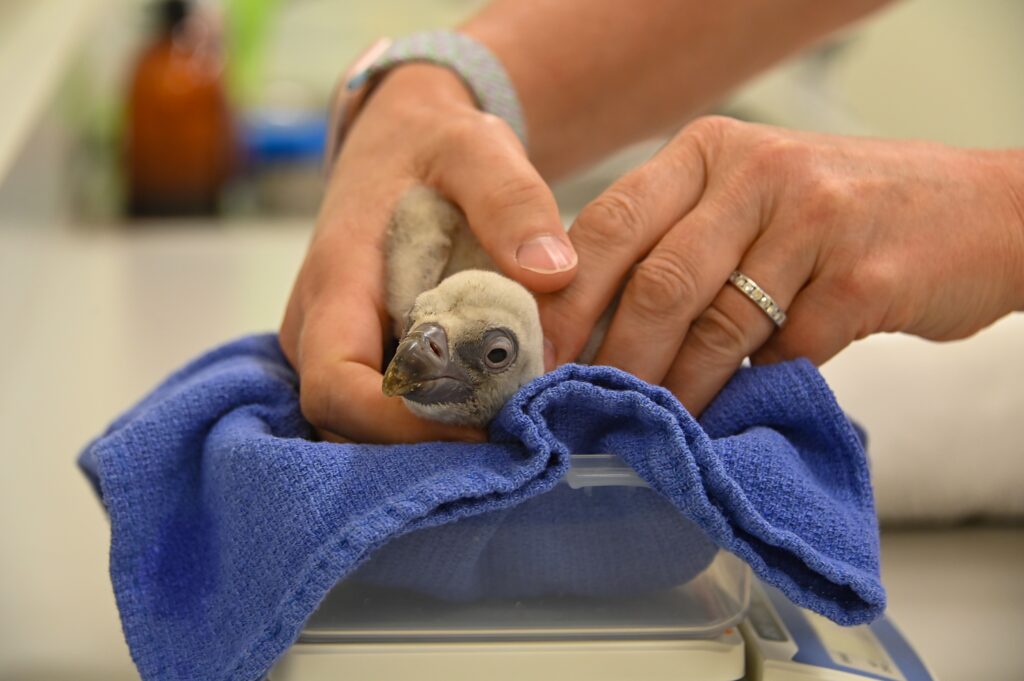
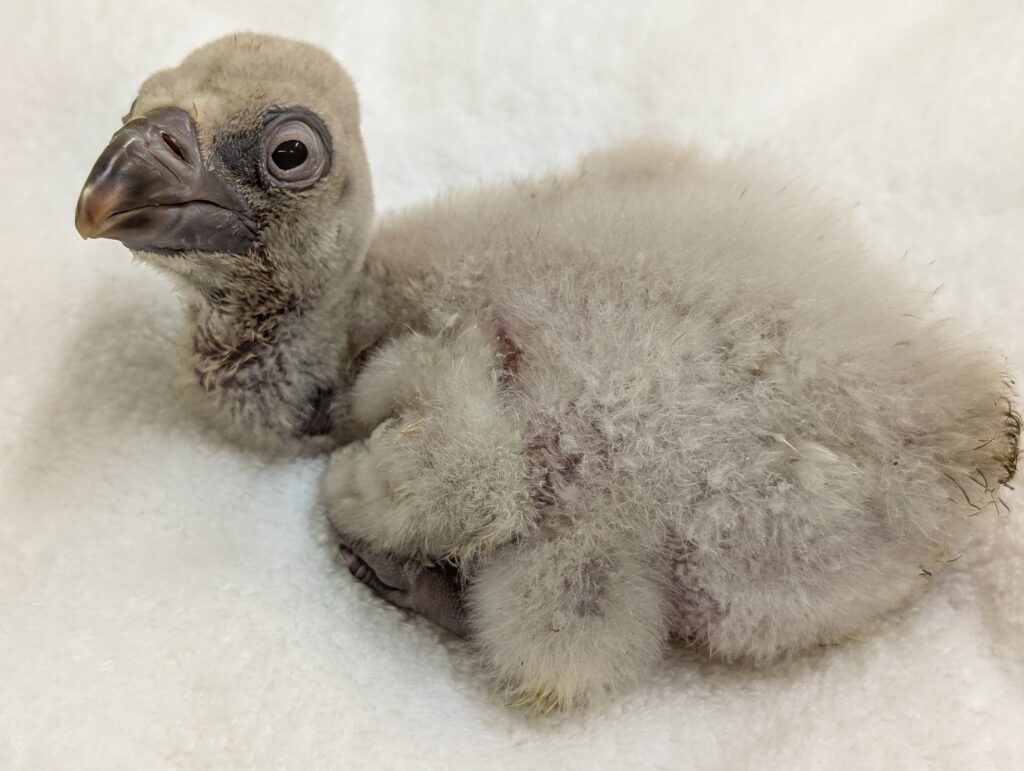
LOS ANGELES, CA – April 2, 2026 – The Los Angeles Zoo has made history with the arrival of a Cape vulture (Gyps coprotheres) chick, hatched on March 14. This is the first major breeding success to come from the Zoo’s brand-new Cape vulture habitat, which opened in February 2025 and welcomed a new breeding pair.
“Bringing a vulnerable species into the world is always cause for celebration, but this chick is especially meaningful,” said Dominick Dorsa II, Director of Animal Care, L.A. Zoo. “Successful breeding is generally a sign that animals are content and comfortable in their space. The fact that this exhibit is new and was designed to specifically mimic the species’ wild habitat is a testament to the design and construction, as well as the care that these magnificent birds receive.”
Opened in February 2025, the L.A. Zoo’s Cape vulture habitat brought the species back for public viewing for the first time in many years. The new habitat allows a closer look at their behaviors and social interactions among the members of the committee, the name for a group of vultures.
“Welcoming a Cape vulture chick is a thrilling moment for our team and a beacon of hope for African vultures,” said Rose Legato, Curator of Birds, L.A. Zoo. “We spent years meticulously planning a space that would encourage their natural roosting and nesting behaviors, and this successful hatching proves we hit the mark. Vultures are one of nature’s most misunderstood marvels, and I cannot wait for our guests to eventually watch this chick grow and learn just how vital they are to our ecosystems.”
The Cape vulture chick will remain behind the scenes under the supervision of the Zoo’s animal care team until it is mature enough to safely reintroduce to the exhibit, but guests to the L.A. Zoo can observe the adults in the exhibit in the Animals of Africa section.
Cape vultures are named for their South African range which includes the Cape region. Like other vulture species, they are carrion feeders. By swooping in to remove dead animal remains, they act as nature’s “clean-up crew,” disposing of large carcasses that could carry diseases like rabies, botulism, or anthrax. They can digest meat in any stage of decay, and strong immune systems allow them to safely eat dangerous pathogens that would sicken or kill other animals.
The Cape vulture is a large bird with a wingspan of up to eight and a half feet. It stands at about three feet tall and weighs 15 to 24 pounds. This scavenger has a sharp, hooked beak designed to tear flesh and large feet to hold down carcasses while eating. Its primarily white feathers have taupe tips at the wing and tail, and its fleshy head is a complementary gray. As an Old World vulture, the Cape is more closely related to eagles and hawks than to New World vultures like turkey vultures and California condors.
The species is categorized as “Vulnerable” by the International Union for Conservation of Nature (IUCN) and, like many vultures, they continue to be threatened by human activities including hunting, poisoning, habitat fragmentation and loss, and climate change. The Los Angeles Zoo has a long, successful history working with this species and has produced more Cape vulture offspring than any other AZA accredited facility. The Zoo is a proud partner in the Association of Zoos & Aquariums (AZA) Saving Animals from Extinction (SAFE) program for African Vultures, a program that aims to address the threat of poisoning, monitor wild populations, and increase knowledge and awareness of African vultures across broader communities.
About the Los Angeles Zoo
The Los Angeles Zoo is accredited by the Association of Zoos and Aquariums (AZA) and is dedicated to providing exemplary animal care and wellbeing. As a trusted leader in local and global conservation efforts, the Los Angeles Zoo is saving wildlife and connecting Angelenos to the natural world by delivering diverse learning opportunities and creating unforgettable experiences. The lush 133-acre campus and its passionate and dedicated team welcomes all to be inspired by the Zoo’s vision to create a just and sustainable world where people and wildlife thrive, together. The Zoo is located on Zoo Drive in Griffith Park at the junction of the Ventura (134) and Golden State (5) freeways. Admission is $27 for adults and $22 for children ages 2 to 12. For more information, visit the L.A. Zoo website at www.lazoo.org.
###
CONTACT:
Carl Myers | 323-644-4273
lazoo.press@lacity.org